

2026 Survey of Canadian Investors
Investment participation, product choice and market competitiveness

Canadians hold a broad mix of investments
Among investors, mutual funds remain the most widely held investment product, followed by stocks, GICs and ETFs.
Mutual funds
Stocks
GICs
ETFs
Recent investment activity is strongest among ETF, stock and GIC investors
Nearly eight in 10 ETF investors purchased ETFs within the past two years, compared with:
of stock investors
of GIC investors
-

Mutual funds and GICs have the longest investor histories demonstrating their continuing importance in Canadians’ long-term savings
-
ETF investing is more recent
-
Cryptocurrency investors generally have the shortest investment histories



U.S.-listed ETFs
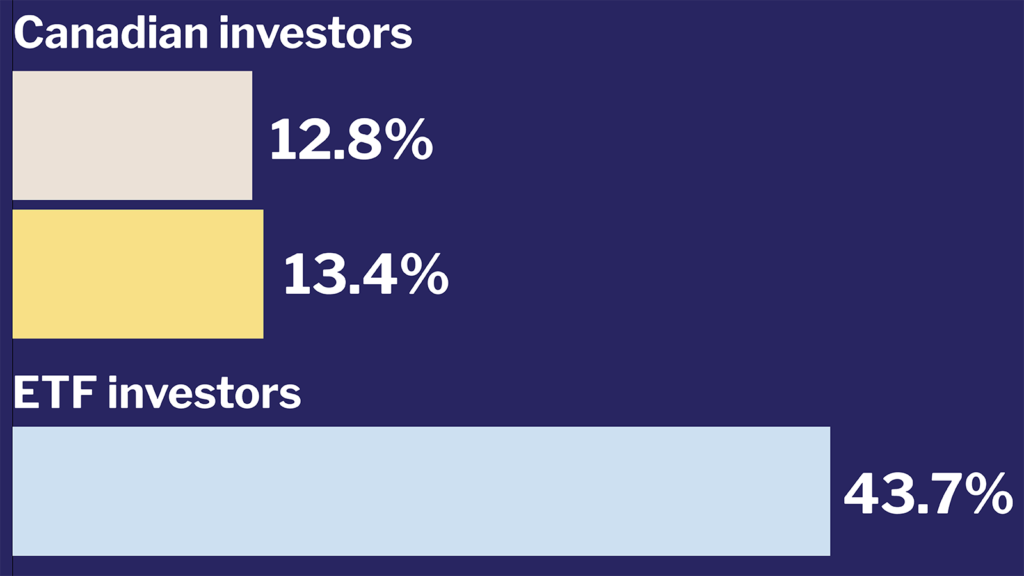
Nearly one in five Canadian investors (either 12.8% or 13.4% see note in survey) and 43.7% of ETF investors, own U.S.-listed ETFs
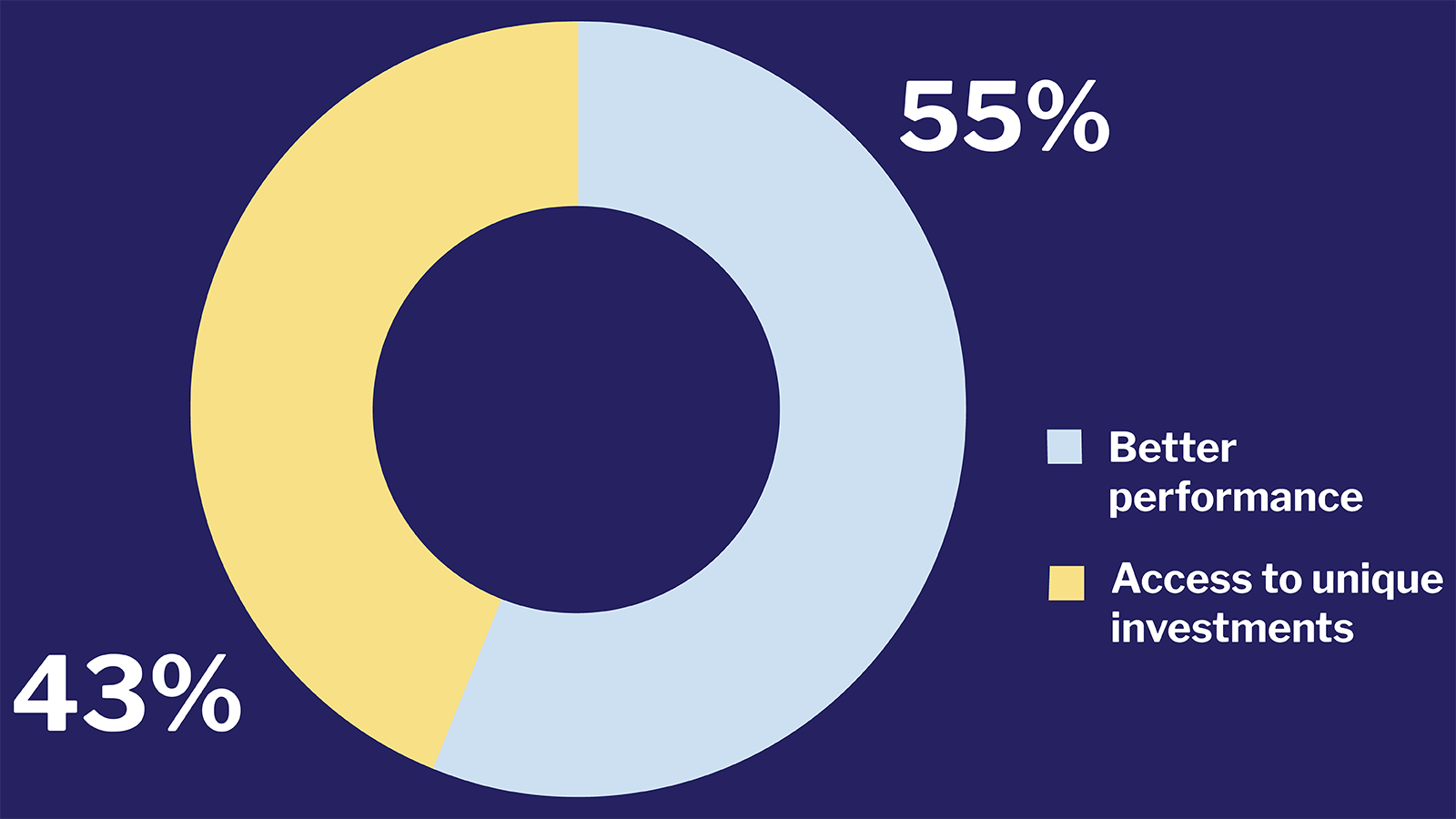
The leading reasons are perceived performance or returns and access to investments unavailable in Canada.
Advice remains central as investors increasingly combine advised and
self-directed investing

Professional advice continues to play a central role in how Canadians invest
Nearly eight in 10 investors purchase at least some investments with advice or guidance:
purchase all their investments with advice
combine advised and self-directed investing

Investor needs evolve over time
Learning how to invest is the principal reason investors begin investing independently, while larger portfolios, market volatility and more complex financial circumstances are important reasons investors subsequently seek professional advice. The findings demonstrate that advised and self-directed investing are not necessarily competing models; many investors move between or combine them as their needs change.
Satisfaction with financial advisors remains strong
Advice is particularly important for mutual funds, bonds and separately managed accounts
Among investors who use both advised and self-directed approaches:
-
42%
began by investing with professional advice
-
31%
began investing on their own
-
This suggests that advice frequently provides an entry point from which investors develop greater experience and independence.
Investor knowledge, information and disclosure

Investors report widely varying levels of investment expertise
This points to a continuing need for accessible advice, effective financial education and clear investor information.
consider themselves at least competent in managing their investments
describe themselves as novices or advanced beginners

Financial advisors remain investors’ leading source of investment information, with 65% relying on them to at least some extent.
Digital sources are generally consulted more frequently, however, illustrating how investors increasingly combine professional advice with online information.
Generative AI
As adoption grows, ensuring the quality and reliability of AI-generated financial information will become increasingly important to investor protection.As adoption grows, ensuring the quality and reliability of AI-generated financial information will become increasingly important to investor protection.
investors have used generative AI for investing
have used it to build their general investment knowledge
to research specific investments or funds
to identify new investment ideas

Statement information
Although investors consider all statement information important, rates of return, portfolio balances and year-over-year changes receive the highest importance ratings, while fees are rated somewhat less highly.
Related resources
Browse related research and resources from SIMA.